When I first heard the term “open relationship”, I thought it was a cheat code for chaos, but turns out, there’s a whole world of structure, rules, boundaries, and surprisingly deep emotional intelligence wrapped up in it.
Open relationships are less about wild parties and more about honest, intentional living, with a bit of spice on the side. Not everyone craves the traditional monogamous relationship, and for some, relationship satisfaction requires more diversity, and there’s nothing wrong with wanting to explore your sexuality with multiple partners.
So, whether you’re curious, considering it, or just trying to wrap your head around the question, “what is an open relationship,” and what people mean when they say they’re in one. Stick around, as we’ll be sharing everything you need to know about open relationships and what makes them work.

Meaning Of Open Relationship
You may be trying to figure out what is an open relationship. An open relationship is any type of romantic relationship where one or more partners can be romantically or sexually involved with people outside the relationship.
It’s an arrangement between partners that allows them to have more than one romantic or sexual partner simultaneously. Think of it like sharing a Google Doc; it’s still personal but editable with permission.
Another name for an open relationship is consensual non-monogamy, and one way to answer the question, “what is an open relationship?” is that it is the exact opposite of the traditionally “closed” relationship, where both parties agree to exclusively be with one another.
I recall speaking with a friend who had been with her partner for eight years. They were best friends, lovers, and also open, as they had an agreement that their love was strong enough to allow some room for some fun and exploration elsewhere.
At first, I couldn’t wrap my head around it, but the more she explained, the more I saw the intentionality behind it.
The level of honesty in an open relationship is what makes it different from infidelity or cheating, which are filled with secrecy when it comes to other intimate connections.
For it to work, everyone has to be on the same page, as it’s the emotional connection, not the physical one, that’s most important in these relationships.
It also has a way of bringing you closer to your partner because you get to know your partner differently than in a monogamous relationship, and you tend not to take them for granted because you know other people find them attractive.
How Open Relationships Work

Open relationships may vary from one group to another, but in general, there’s always an agreement that allows partners engage in sexual and/or emotional relationships outside the main relationship.
In this type of relationship, there’s a form of hierarchy where the primary relationship is central and ranks higher than any other relationship.
What is an open relationship? It is a form of relationship where each partner has veto power and can influence who the other partner is seeing outside the relationship. And this is why an open relationship requires both partners to agree on how the relationship will operate.
There is an agreement or freedom to be sexually or emotionally intimate with other people. This means you can still feel secure, valued, and loved in an open relationship, just like you would in a monogamous one.
When my colleague and her ex once thought about opening up their relationship, it felt like they were trying to assemble IKEA furniture without instructions.
“So…are sleepovers okay? What about brunch dates? Is it alright to develop feelings? So many questions that needed answering, and that’s when I realized communication isn’t just helpful, it’s essential.
Open relationships only work when you create a blueprint that both of you respect. You’ll need to discuss what you and your partner are comfortable with, and both partners should be in alignment with this choice.
It’s also important to discuss the implications of shifting from a closed relationship to an open one and carefully consider it’s advantages and disadvantages before switching.
Oftentimes, an open relationship can be a result of one or both partners having a crush or seeing someone outside the relationship.
In an open relationship, your primary partner still retains the majority share of your emotions and commitment. And the relationship can only succeed if both partners follow the rules, with everyone feeling like equals.
If both partners are genuinely okay with the idea, establishing a strong agreement and fostering solid trust and communication can make being in an open relationship liberating and reinvigorating.
Why An Open Relationship?
Various people prefer an open relationship for a variety of reasons, some of which are:
1. A Desire For Variety: Yes, I know you love your partner, yet you’re still curious and want to explore other connections without losing the connection you’ve built with your partner. With an open relationship, you get both freedom and stability.
In addition to sexual variety, an open relationship could also work for those who feel constrained by the traditional societal norm that promotes monogamy, or if you’re someone with sexual fantasies that your primary partner isn’t comfortable with.
Also, Mismatch in needs. Not all partners are aligned equally when it comes to sexual and emotional needs, so an open relationship provides them with a compassionate alternative to long-term sacrifice or conflict.
2. Personal Growth: Some partners see an open relationship as a tool for personal growth, as it enables them to uncover who they truly are when they’re not confined to just one relationship. It’s a form of self-discovery through human connection.
3. Ethical Or Philosophical Values: Some people don’t see love as something to be owned or confined to just one person, so they choose an open relationship because it matches their belief system about autonomy and abundance.
4. Strengthened Communication: Navigating an open relationship often deepens trust as it demands more honesty and check-ins, both of which strengthen the bond between partners.
Boundaries And Rules In An Open Relationship
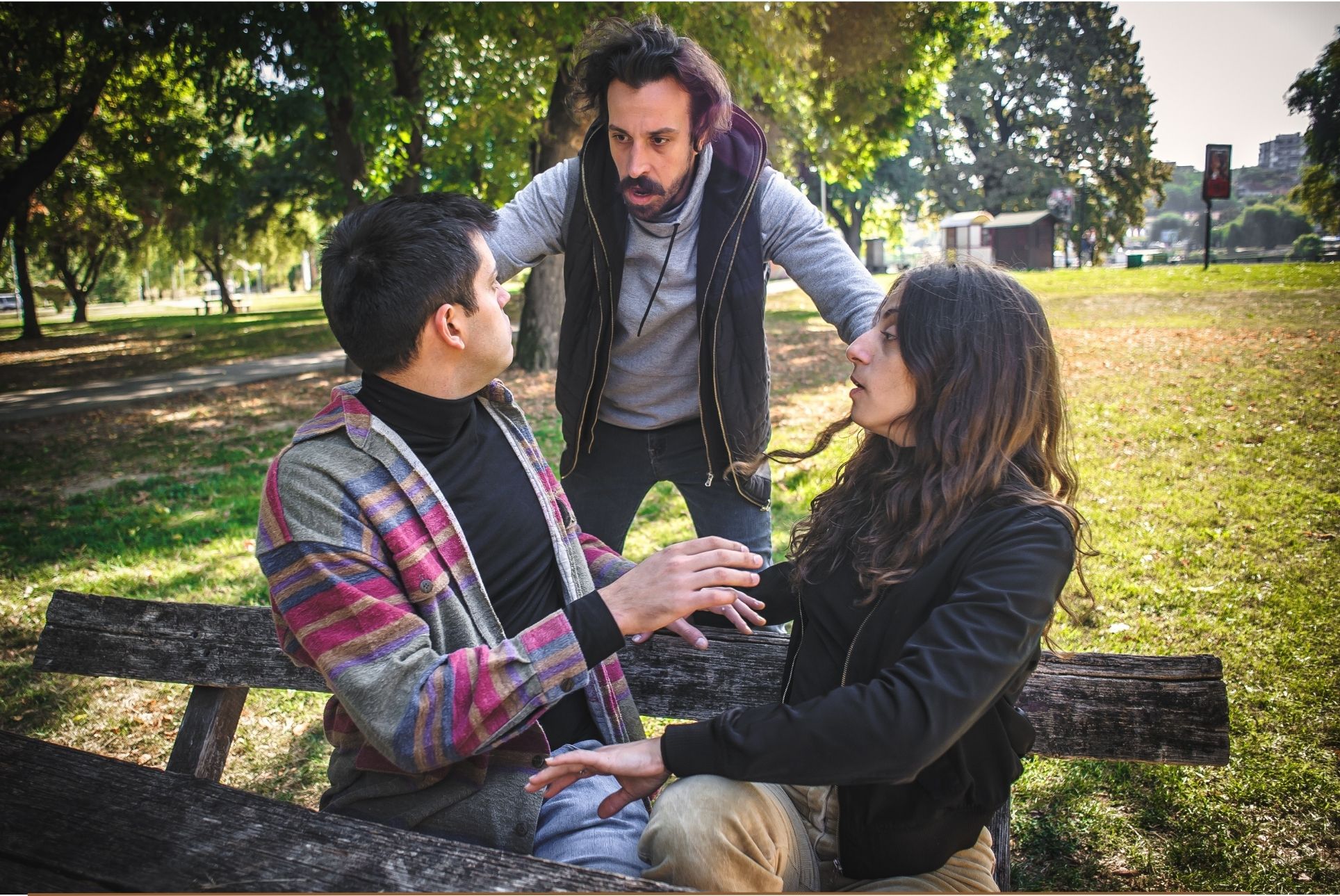
Many people think there are no boundaries when it comes to an open relationship, due to the freedom to explore other partners outside the relationship.
However, the opposite is the case, as open relationships come with a plethora of boundaries surrounding what each person is allowed to do, with whom they’re allowed to do it, and where these interactions are permitted to occur.
There are no set rules when it comes to having an open relationship, but well-communicated boundaries, however, are key to answering the question, what is an open relationship?
Open relationships actually have more boundaries than traditional relationships, and these boundaries help set the rules for what is and is not acceptable for partners in an open relationship.
These boundaries could be physical, sexual, or emotional.
For example, do you want to know who your partner goes on a date with? Are you interested in knowing everything that happens during your partner’s sexual escapades, or does the thought of it make you feel a bit nauseous? Are you the type of person who wants to know if your partner has penetrative sex or has started developing feelings?
All these and more should be taken into consideration when setting up boundaries around an open relationship.
These boundaries help partners feel safe and important, just like their partners in the relationship. And, just like every couple is unique, so is every open relationship different.
This is because some partners may prefer casual hookups, while others like to build deep emotional bonds with multiple partners.
In the case of physical boundaries, it means partners aren’t allowed to touch someone without permission being given.
Some partners might even prefer to create a physical relationship contract which can be useful in not only negotiating, but also clearly helps to articulate the needs, wants, limits, expectations and commitments that are expected of all parties involved.
Another form of physical boundary is the amount of time that can be spent among all partners. It’s vital that you and your partner sit together and set guidelines around how much time can be spent with other partners and when it starts to cut into your time together.
Sexual boundaries are another set of boundaries that should be put in place in an open relationship. Both partners should consider whether they’re ok with sex and if so, what acts are they comfortable with or not.
Be as specific as possible, including stating safe-sex practices like the use of condoms, dental dams, and getting screened for STIs. By doing this, you’re not only protecting yourself but also showing respect to everyone involved.
If you’re talking about emotional boundaries, you should keep in mind what makes your partner jealous and how to handle it when it happens.
When discussing emotional boundaries, don’t forget to talk about what should be done when someone falls for the person they’re having sex with and whether that’s even allowed.
In all this, to answer the question, what is an open relationship requires that you ascertain what’s fair game in the relationship. Are friends, colleagues, and former partners allowed? Are you okay with strangers?
Topics like sexual orientation and gender identity should also be taken into consideration for both for you, your partner and other potential partners. It’s also up to both of you to decide what levels of involvement with secondary partners feel comfortable.
These boundaries and rules vary from couple to couple as they depend on the needs and desires of both parties, and this may change over time.
With an open relationship, there are lots of moving pieces that require couples to be on the same page, and if you’re not communicating effectively with your partner, you create space for negativity, resentment, or lying.
Remember, boundaries are not necessarily meant to be rigid, but should evolve as a couple continues to grow or become more constrained as they figure out what didn’t work.
Benefits Of Open Relationships
There are several reasons why people prefer open relationships, and when done with respect and the consent of all involved, they offer numerous benefits.
Firstly, it leads to greater sexual satisfaction as a new partner is a great way to satisfy the craving for new sexual experiences. This is because humans love exploring novelty when it comes to sexuality, and crave it at one point or another.
An open relationship, therefore, provides a safe space for consensual exploration, especially ones that your partner might not be interested in.
It also allows partners to express their needs and identity without fear, since they don’t need to hide their crushes or extra-marital relationships from their partner. This way, there’s a lot less emotional distress.
What is an open relationship? It’s any relationship that invites reflection and causes you to learn about yourself in surprising, empowering, and even uncomfortable ways.
I once went on a coffee date with someone outside my relationship, and it was like I just discovered a new part of myself. And while I didn’t fall in love, I gained more insight as it pertains to my emotional needs, boundaries, and even my love languages.
Open relationships also enable you to maintain a strong sense of self, rather than pouring all your energy into one person or relationship.
With an open relationship, there’s a lot less pressure on one partner to fulfill all the emotional and sexual needs and interests of their partner.
With an open relationship, your partner doesn’t have to be your therapist, workout buddy, accountability partner, and soulmate, all in one.
This creates space for emotional, physical, and romantic intimacy to grow and can deepen your sense of self.
Finally, navigating an open relationship demands honesty about sex, jealousy, needs, and boundaries, and this kind of honest communication builds stronger connections.
Pitfalls Of Open Relationships
An open relationship can easily bring about jealousy and negative feelings towards either your partner/or their other partners.
These negative feelings are often a result of increased insecurity and are rooted in feelings of not being enough, which stems from the idea that your romantic partner should be everything to you and you to them.
These negative feelings can end up leading to anxiety, anger, or make one partner retreat emotionally. If you’re experiencing jealousy in your open relationship, focus on how you respond to it and allow it to become your teacher. This is where you ask questions like, “What does this feeling say about my fears and needs?”
Rather than eliminate jealousy from your life, try to build emotional tools that enable you to work through the jealousy without letting it consume you. Oftentimes, jealousy might be a signal that you and your partner need to talk.
So, what is an open relationship? An open relationship means navigating multiple partners and feelings, which makes it even more difficult to manage the additional feelings, logistics, and, often, exhaustion.
I once found myself juggling two emotionally demanding connections and ended up burned out, disoriented, and behind on all my deadlines.
With more people, that means more plans, more processing, and more check-ins, and if your bandwidth is low, this can become too much to handle.
Having an open relationship can become time-consuming, as you’ll need to make time for all of them. Regardless of whether you’re heading out for a long and leisurely dinner or just going to their apartment for a quick hookup, you’ll probably need to keep a few nights open every week.
And just like in any other relationship, figuring out what is an open relationship requires time and effort.
Being with different sexual partners increases the risk of sexually transmitted infections (STIs), so it’s essential for all involved to engage in safe sex, use proper protection and get tested regularly. There’s also the risk of pregnancy.
Being in an open relationship may lead to social stigma as you may face judgment from others and from your own internalized beliefs. Imagine telling your parents or coworkers you’re in an open relationship? Not for the faint-hearted. And if your loved ones are not fond of open relationships, it can be a very isolating experience.
Ultimately, you must understand that an open relationship won’t repair a broken relationship. Instead, it will probably destroy it. So, if you’re considering an open relationship as a way to save your current relationship, then you need to first establish a strong and sturdy foundation.
And if you’re feeling insecure about where your connection stands, getting additional partners won’t solve that problem.
If you can’t seem to fix the issues in your relationship, then it’s better to get a divorce and do what you want, rather than try to hold on and go outside to satisfy your emotional and sexual needs.
When trying an open relationship, there’s always a possibility that your partner might leave–but that’s true for almost every relationship.
Is An Open Relationship Right For You?

So you’re still wondering what is an open relationship and whether it’s right for you? Only you can decide whether you want an open relationship or not, and this decision should be made after closely factoring in your beliefs and feelings about monogamy, examining what you expect from love and partnership, and being vulnerable with your emotions.
If you’re considering whether an open relationship will be the best fit for you, here are some factors to put into consideration.
1. Start With Your Why
Before answering the question what is an open relationship, be brutally honest with yourself and ask yourself why you’re drawn to the idea of an open relationship. Is it about exploring your identity, addressing unmet needs, or seeking more freedom?
If you’re finding it challenging to make this decision on your own, consider talking to a therapist or a friend to help you clarify your thoughts and emotional needs.
2. Check Your Emotional Capacity
Open relationships require a high tolerance for discomfort, ambiguity, and big emotions, and one of the main issues couples may face is jealousy.
If the thought of your partner being with someone else doesn’t sit right with you, then an open relationship may not be for you.
Also, if you’re someone with anxious attachment or trust issues, being in an open relationship can trigger past traumas or discomforts. So be clear about your emotional capacity before diving into an open relationship.
3. Communication Matters
Just like in any relationship, communication is equally vital when it comes to an open relationship, and if both of you are not the best at opening up to each other, then consider having these tough conversations before opening up your relationship.
Additionally, if you notice that you or your partner can’t have this conversation with love, compassion, and understanding, it probably indicates that you aren’t quite ready to embark on this journey.
4. Consider Your Time And Energy
Multiple relationships will require more time and energy from you, and if you’re already stretched thin, ask yourself where this energy is going to come from.
This means that you need to introspectively assess yourself to determine whether you have the capacity for more relationships at this time.
While an open relationship might seem exciting and potentially fulfilling, it requires a high level of security and deep trust already established in the relationship for it to work.
One thing you must always keep in mind, though, is that being in an open relationship isn’t for everyone, and doesn’t show a lack of maturity or compassion.
Conclusion
Love is not a one-size-fits-all, and while some people may want to be in a monogamous relationship, others may prefer having more than one romantic partner, and that’s okay, provided all parties involved are aligned, happy, and safe.
Just like in any other relationship, open communication, trust, and a good understanding of what multiple sexual partners entail are vital ingredients for an open relationship. It’s about intention, boundaries, and a deep sense of awareness for both yourself and your partner.
So, whether you’re ready to open up your relationship or simply want to satisfy your curiosity, just remember that love, like people, comes in many forms. The goal is to find an expression of it that makes your heart feel at home, even if it has a few windows.