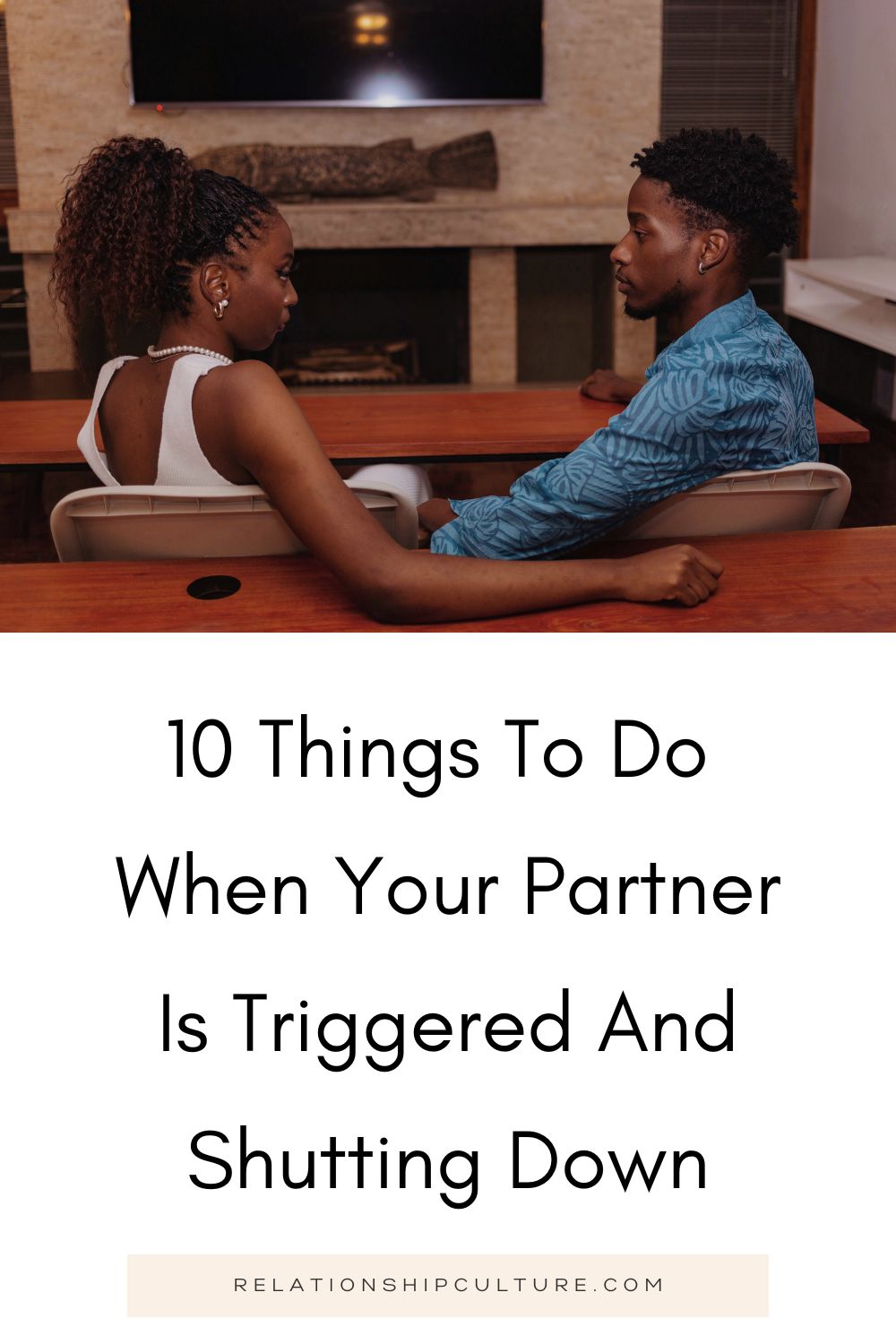
No matter how happy or healthy your relationship is, triggers can still occur. It could be a word, a song or even a look. Suddenly, your partner is giving you the silent treatment or telling you not to worry when you clearly need to be worried. When this happens, it’s how you respond that matters the most. So what do you do?
When considering what to do when your partner is triggered, it’s essential to stay calm, give your partner space to process their feelings, listen actively when they share their grievances, validate their emotions, avoid defensiveness, ask questions, and refrain from placing blame.
You have to be mindful of the things that trigger your partner. Knowing what to do when your partner is triggered is crucial to resolving the situation before it turns into bigger issues that can’t be easily fixed.
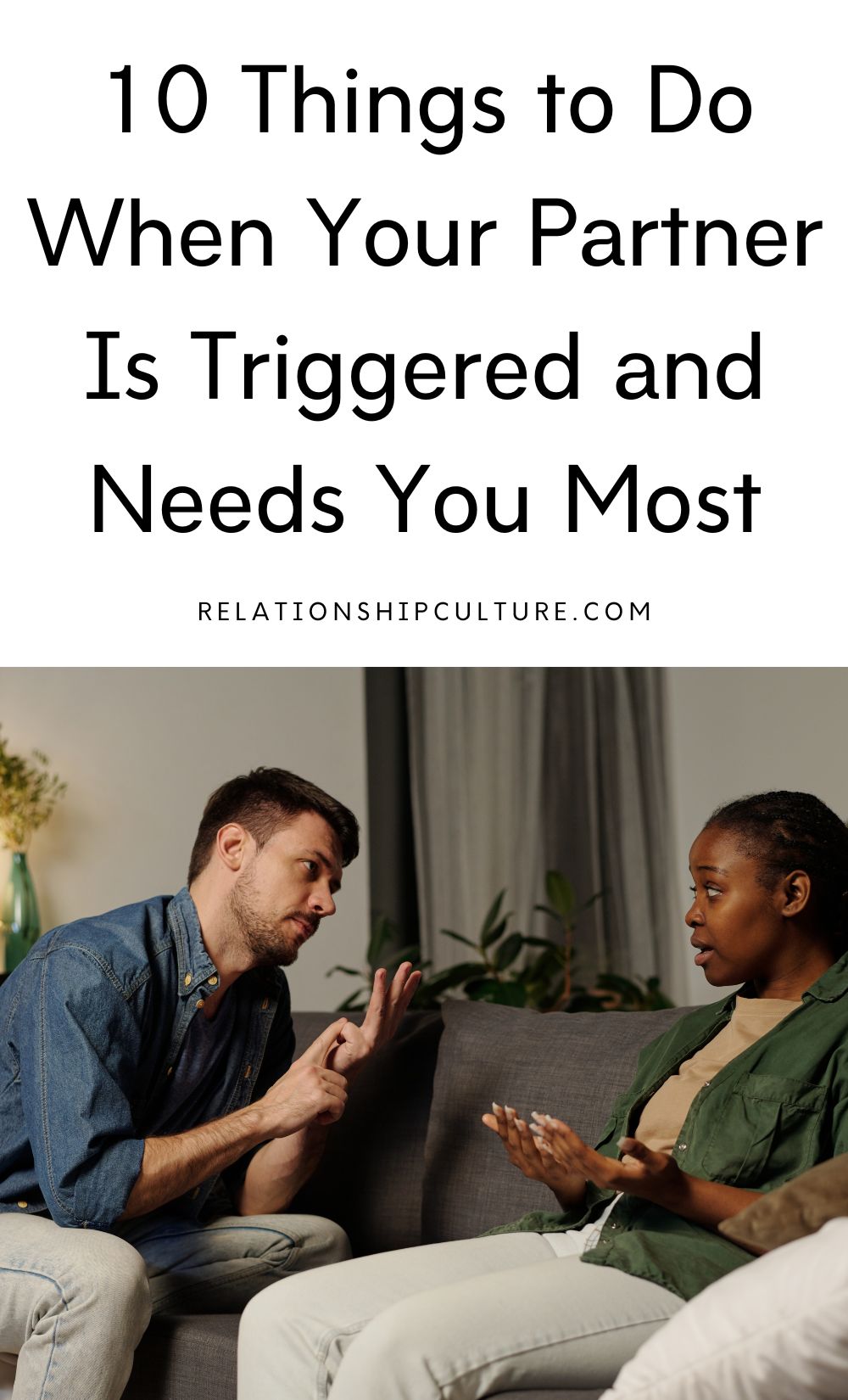
1. Stay Calm
Thinking of what to do when your partner is triggered? One of the first things you need to do is stay calm! Being calm will go a long way in de-escalating the situation. And when your partner is triggered, it’s classified as a situation. What you do in the moment can make or break your relationship. Fine, maybe it’s not that dramatic, but you do need to remain calm so the situation doesn’t escalate or get out of hand.
Your partner getting triggered is not something out of the ordinary. The truth is that we all get triggered as individuals with big emotions. There are numerous things that can trigger emotional responses in individuals. So no one is above getting triggered from time to time. However, it’s essential that when your partner is triggered, you focus on staying calm and restoring order to the situation. This will help prevent things from spiraling out of control, especially if your partner is already heated or angry.
So this isn’t the time to play the blame game or try to bash your partner for their reactions. Instead you need to be a voice of reason and get things under control. To do that, you have to remain calm. You can achieve this by taking a deep breath and thinking before you say your words. Trust me, it will go a long way in de-escalating the situation and ensuring your partner doesn’t get further triggered.
2. Give Them Space
The next step when your partner is triggered is to give them space. Giving your partner space when their emotions are high helps them regulate those emotions and deal with them more effectively. Don’t try to argue with them or resolve the issues by any means. Yes, what I’m saying is, let them take a breather.
Being the hero is always a rewarding feeling, but sometimes, to be a hero, you need to let things happen naturally. What do I mean? Don’t force things with your partner. Let them experience their emotions, live through it, and get over it. And the best time to do this might be alone. So, don’t bombard them, expecting their emotions to be resolved in minutes.
Triggers can come from anywhere, and emotional triggers are especially hard to handle. They don’t just dissolve or disappear into thin air. You need to give your partner the space to deal with their emotions. This isn’t the time to crack jokes or try to immediately resolve the issue.
You can let your partner know you’ll be giving them space by going to the next room or taking a breather outside. I can assure you that time to themselves will do wonders for their psyche. That’s what to do when your partner is triggered.
3. Listen Actively

Communication is a game-changer in improving the dynamics of your relationship. It takes the conversations from zero to a hundred in no time. However, not all communication is good. That’s right, communication can be bad. In fact, that might be a reason your partner is getting triggered, because the bad communication is too much to handle or constantly causing tiring misunderstandings.
Whatever the reason, you need to know what to do when your partner is triggered. That being said, you must prioritize communication—specifically, active listening. Listen to all your partner is saying and not saying. When people are triggered, they tend to say a lot that they would normally keep to themselves. So if your partner is spilling tea, you need to be listening!
But seriously, be an active listener in your relationship. This means that you don’t just hear what your partner says for the sake of fulfilling all righteousness, but you actually make changes where necessary. That’s how you help your partner through their triggers and show you care deeply for them and their emotional well-being.
4. Validate Their Feelings
Figuring out what to do when your partner is triggered requires emotional maturity and tact. When your partner is triggered, ensure that you validate their feelings. Don’t leave them in the dark or try to dismiss how they feel. Placate them and let them see how much you understand.
By doing this, you give them the space to express themselves and also show you love. Ensure you always validate your partner’s feelings, even when you’re triggered. It will go a long way in restoring peace in your relationship.
5. Don’t Be Defensive
One thing you need to avoid when calming down a triggered partner is being defensive. Being defensive means you’re taking away the focus from your partner and placing it on you. I’m not saying being the center of attention is wrong, but since your partner is the one who is triggered, put all your weapons down.
Instead, give your partner a listening ear and try to understand what went wrong. That’s what to do when your partner is triggered. When you put your energy into resolving what went wrong, it feels exhilarating in a good way!
6. Ask Questions

Don’t be afraid to ask questions! How else will you know what to do or say if you don’t ask questions? When your partner is triggered, ask the right questions. Ensure that they are accurate and try to identify the root cause of the problem. The only way you can do this is by asking questions. That’s what to do when your partner is triggered.
For instance, if you were meant to go out on an evening date with your partner but they don’t want to go anymore or lash out, don’t recoil inward or ignore it. Ask the necessary questions to understand their thought process.
The questions you ask will help you and your partner to navigate triggers like pros. Of course, don’t just ask empty questions that have no meaning or depth to the situation. Ask questions that dig deep for answers. And remember, don’t force things immediately. Ask the right questions and wait for the right time to get answers.
7. Don’t Blame Them
I know that seeing your partner getting triggered can be triggering for you as well. But in all you do, don’t blame your partner for their triggers. Of course, I’m not implying that your partner is perfect without flaws, but blaming each other when issues or conflicts arise will only lead you to go around in circles. It does nothing or changes the outcome of the situation, except perhaps to worsen it.
So if you’ve been pondering what to do when your partner is triggered, don’t blame your partner outright. Allow them to have their reaction in that moment, and when they are done and calmer, you can use “I” statements to let them know how their actions made you feel. Remember, don’t throw blame around as if someone has to carry one hundred percent of the blame. Be mindful in your approach!
8. Don’t Take It Personally
When dealing with a triggered partner, they can say all sorts of things. Things that might even have you soldiering on in the relationship! One time, my partner was triggered, and his behavior made me so mad! But instead of reacting and making it a big deal, I considered where he was coming from and gave him grace.
That’s what I want you to do. Think about where your partner is coming from. Why are they so triggered? What was their last like? Asking these questions will help you take the situation into account and switch to your partner. Your partner might not even mean it in the way you’re envisioning.
The important thing is to give your partner grace and not hold them to that moment. Someone once said that we focus on the negative thing a person does, forgetting all the good things that came before. Your partner getting triggered isn’t the end of the world—we all do. And I’m certain when you’re triggered, you’ll also want to be treated with the same grace. So, don’t think things personally, and you’ll have figured out what to do when your partner is triggered.
9. Keep Your Tone Respectful

One thing I’ve learned about dealing with a triggered partner is keeping your tone respectful. Especially when you’re the cause of that trigger, maintain a respectful tone when attempting to de-escalate the situation. The last thing you want to do is be disrespectful to your partner when they are triggered, as it will only start a fight.
High on the list of what to do when your partner is triggered is remaining respectful through those moments. Being triggered causes an adverse reaction in your partner. It can even get mean sometimes, which sucks, but I need you to be the bigger person at that moment. Keep your emotions under control and don’t try to get even with your partner.
When you become disrespectful and try to even the score with your partner, it will only worsen the situation and further trigger your partner. You might end up triggered, too, and now it’s one big mess. And messes aren’t always easily resolved. So to avoid one altogether, keep it cute and respectful.
10. Be Patient
When figuring out what to do when your partner is triggered, don’t panic and be patient. If you’ll only take one thing with you from this, remember that patience is a virtue and the best thing you can do for your partner. Dealing with triggers is no easy feat. It can make you irritable and annoyed. Now imagine being on the receiving end of that behavior. It will surely get you annoyed as well. However, in everything, we must always extend grace to our partners.
Don’t be quick to react to your partner in response or expect answers immediately on why they are triggered. It can be frustrating not getting the answers you desire from someone, but you have to remember that your partner isn’t just anyone. So be patient with them and allow them to move at their own pace.
When you do this, you give your partner enough room to understand their feelings. You also give yourself room to think about your own feelings. Bring patient certainly pays off!
Helping A Triggered Partner
Your partner getting triggered is not out of the ordinary. Many things trigger us as individuals. Even more so when you get into a relationship. It could be something you said, did, or the result of past trauma. Honestly, dealing with a triggered partner can feel triggering itself.
But I’m here to help you out. First, when you want to help a triggered partner, you need to stay calm. The last thing you want to do is start panicking, or worse, get triggered as well. That’s a recipe for disaster because if you’re both triggered, it becomes harder to stay calm and find solutions. So, remain calm to keep things under control.
You need to validate your partner’s feelings. Let them know that you care deeply about their well-being and understand the emotions they are facing. The truth is, you might not even understand their emotions, but don’t invalidate them. Acknowledge your partner’s feelings to show love and empathy.
Identifying the root cause of an issue is a crucial step in helping your partner who is triggered. That means asking questions to find out what went wrong. Is it something you said or did? Or is it a past trauma? Ask questions and try to understand what triggered your partner’s emotional response. They might not have all the answers immediately, so don’t rush them and let it be a gradual process.
When dealing with a triggered partner, it can be easy to lose sight of communication. I’m guilty of this–if I feel triggered by something, I tend to go mute and not talk to anyone. My triggers have a strong emotional effect that causes me to be mute. Prioritize communication in your relationship so that, regardless of the problems you face, you will always have a clear understanding of each other.
Lastly, offer your partner support. Your support is one of the most valuable ways to show your partner just how much you care about them. Be the voice of assurance. Let them know you’re there for them and always be ready to show support.
How To Support Your Partner Emotionally

Emotional support is crucial to growth and well-being in a relationship. Sometimes, your partner might be getting triggered by things that seem insignificant to you, but there’s actually a deeper reason. You need to come in and support them emotionally, rather than judge their reactions solely. So, to support your partner emotionally, start by listening to them without judgment.
To do this, you need to be an active listener. Active listening means listening attentively to your partner’s concerns and needs. Don’t just hear what they have to say, listen and put it into practice. Next, be empathetic toward your partner’s plight. An emotional connection is all about forming a deeper connection. When you’re able to put yourself into your partner’s shoes, it becomes easier to understand why they act the way they do.
You can support your partner emotionally by validating their emotions. Validation is very important in relationships. I’ve been in relationships in the past where my feelings and emotions weren’t validated. It felt awful, and I wasn’t being supported. Offer emotional support and reassurance to help your partner feel secure and at ease.
Finally, be patient. All these nuances aren’t built in a day. Some even took years. Dealing with triggers is not enjoyable, but with patience, it can certainly make the process worthwhile. Be patient and understanding when your partner is going through a difficult time.
Dealing With Emotional Triggers In Love
Love is a very complex emotion. It has many layers, and because of this, it also has many triggers. One minute, everything seems fine, and the next, you and your partner are giving each other the silent treatment. No one wants this for their love story or relationship, so let me share some tips on how to deal with emotional triggers in love. First things first, you need to know what emotional triggers are. They can be situations, people, objects, or memories that cause an intense emotional reaction. How to deal with them:
1. Identify triggers: You need to know what triggers an emotional response in your partner and understand your own triggers. This will assist you in avoiding making costly mistakes that can cause discord between you and your partner. When you can identify triggers, you also learn how to avoid them.
2. Communicate openly: Communicate openly and honestly about emotional triggers and needs. Have those conversations that seem tough or uncomfortable. That is how you will figure out how to deal with emotional triggers in your relationship.
3. Avoid triggers: Avoid triggering situations! If you know something that can trigger your partner, stay far away from it. I know the majority of my partner’s triggers and stay away from any of those things or behaviors that can cause him emotional distress. Avoiding triggers isn’t running away from your problems; it’s about being self-aware and conscious of the decisions you make.
4 . Support and empathy: One important thing about dealing with triggers in love is support and empathy. Understand where your partner is coming from and why they are reacting that way. Don’t be quick to judge or write them off. Remember, we all have triggers, and you never know what day your buttons will be pressed. So always offer emotional support and empathy to help your partner feel safe and understood.
5 . Seek professional help: When it becomes more than you can handle, seek professional help. It’s not the end of the world to visit a therapist or couples counsellor for help. Consider seeking professional help if emotional triggers are causing significant distress because sometimes, the cure is in the grasp of professional wizards.
How Do I Deal With My Partner’s Triggers?
Dealing with a triggered partner can be very upsetting, not just for your partner, but for you as well. We all get triggered; it’s a normal phase of life. Handling it can be daunting, especially when it involves a loved one. But fret not, dealing with your partner’s triggers is possible. You just need to be tactful and mindful of how you do so.
Start by educating yourself. Educate yourself about what triggers your partner. The truth is, we all have things that trigger us. For instance, I get triggered by dirty laundry. Sounds a bit comical, doesn’t it? However, seeing dirty clothes around the house triggers me, and because my partner is aware of this, he ensures that all dirty clothes are kept where they belong. When you learn about your partner’s triggers, you will understand how to support them efficiently.
Next, you need to communicate openly. Communication is like the cure-all pill that can take your dynamics from zero to a hundred. Communicate openly and honestly about emotional triggers and needs. Pull your partner aside and have serious conversations with them about their triggers. They might not even know those are their triggers until you mention it. You can help them make that deep dive.
When figuring out how to deal with your partner’s triggers, you need to avoid judgment. Like I mentioned, we all have triggers. Some people just get more triggered than others, and that’s fine! Instead of judging your partner for their emotional responses, work with them to reduce them. Be a voice of reason rather than a source of judgment.
You also need to offer support. This is definitely one of the best things to do when dealing with your partner’s triggers. When faced with a situation in which your partner has an intense emotional response to something, offer them emotional support and reassurance.
It’s about ensuring that, no matter what, your partner feels safe enough with you to express themselves and receive the support they need. This doesn’t mean coddling your partner, but being tactical with how you respond to those triggers.
Finally, if it’s too much for you and your partner to handle, don’t be afraid to call the big guns and seek professional help. If the emotional triggers are causing significant damage and distress in your relationship, please go to therapy or a counsellor. It will help you and your partner determine what steps to take to resolve the issue.
Conclusion
When your partner is triggered, it can be hard to pacify them or resolve the issue at that moment. Remember, getting triggered is not unusual. However, when your partner does, you must stay calm, give them space, validate their feelings, and ask questions.
By following these tips, you can help support your partner emotionally and navigate emotional triggers in your relationship.