The honeymoon phase represents the early days of a relationship. It is often filled with desire, yearning, and preoccupied thoughts about your partner. It is also often filled with laughter, fun dates, and intimacy.
How long a honeymoon lasts depends on several factors. If you’re talking about the destination for the vacation, then that depends on what the couples want and what their budget allows.
However, if it’s about feelings or experience, then this can vary based on the couple’s interests and how they choose to spend their time together.
During the honeymoon phase, whatever your partner does often feels charming and endearing, and there’s the feeling that everything about your partner is perfect. Do not fret. This article covers everything you need to know about how long a honeymoon lasts.
How Long Should A Honeymoon Last?
How long should a honeymoon last? No one can predict the future, so likewise, no one can predict how long a honeymoon should last. This often varies between couples; for some, it can end earlier than they would have wanted.
A typical honeymoon can last anywhere from a couple of months to the first couple of years of the relationship, depending on the couple and their peculiar circumstances.
Also, it depends on how often you spend time with your partner, as a couple who sees each other is usually bound to have a more extended honeymoon than couples who see themselves daily.
Some of the factors that determine how long a honeymoon lasts are the way the relationship starts, what’s going on in the couple’s lives, both partners’ personality traits, and how long it took them to fall in love.
How Long Is The Honeymoon Phase In A Relationship?
How long is the honeymoon phase in a relationship? The honeymoon phase is an opportunity for you and your partner to celebrate each other and can last weeks, months, or even years.
It is characterized by feeling madly in love with your partner and wanting to spend all your time together. You’re often quick to forget your partner’s flaws and negative behaviours.
This is the stage where a couple is filled with intense passion, love, and physical attraction. Both partners are filled with thoughts about their partner, can’t stop smiling involuntarily, and have their hearts racing whenever they see their partner.
Spending quality time with your partner becomes a priority here. There are countless romantic dates and endless conversations, not to mention the sexual sparks that are consistently high during this phase. This is also the phase where there is less fighting, and both partners can hardly keep their hands off each other.
How Do You Know When The Honeymoon Phase Is Over?
How do you know when the honeymoon phase is over? The honeymoon phase is often like a fairytale where everything is happy, peaceful, fun, and full of love and intimacy.
This phase is meant to be enjoyed and always filled with fun activities for the couples involved. This includes activities like going on dates, adventures, and spending much time together enjoying each other’s company.
This is where they travel to their favourite destinations together, engage in their favourite activity, and try out things they’ve always wanted to do together.
When the honeymoon phase is over, you begin to realize that your partner is not as perfect as you once thought, and this is where conflicts creep in. You start feeling irritated about your partner and noticing things about them you didn’t know in the past.
When you notice that your relationship no longer feels as exciting as it used to be, it signals that the honeymoon phase is over. At this point, you feel like you’ve learned everything there is to know about your partner and may even feel bored spending so much time with them.
For some, their honeymoon phase can end in an instant when they realize some serious red flags in the relationship, such as a big argument. At this point, you will start noticing differences in your partner that you can’t overlook.
For some people, it eventually gets to a time when the negatives begin to outweigh the positives, and they start feeling like the relationship is too much work.
If you’re worried about whether the honeymoon phase in your relationship is over, here are 10 signs you should look out for.
I. You Start Noticing Their Flaws:
One of the signs that the honeymoon phase in your relationship is over is that you start noticing your partner’s imperfections.
Before, during the honeymoon period, you felt that your partner was the perfect one with no flaws, but now you start noticing their annoying habits, chewing noises, snoring, which doesn’t allow you to sleep at night and their particular way of laughing. Most of the time, these things look cute, but now, they sometimes bore or annoy you.
II. You Don’t Daydream About Your Future Together:
In the early days of a relationship, all you ever thought and dreamt about was your partner and how you would be together forever. A day never passes without you longing to be with your partner, and you are often obsessed about the life you would build together.
But now, you and your partner are occupied with so many responsibilities that you barely have time to think about each other. Are there bills that need to be paid? Do you need to care for your parents or young ones? Situations like this keep you so busy and occupied that you rarely think about these things,
iii. You Don’t Miss Them In Their Absence:
Earlier, you often looked forward to when you would see your partner because you felt so lonely, and life always felt different without them, but now you can’t wait for them to leave because having them around has become so stressful.
iv. You Don’t Obsess Over Their Cuteness Anymore:
One of the things that often characterizes honeymoon periods is that both partners can’t get over each other. They’re frequently admiring and obsessing over the adorable traits of their partner, such as the sound of their laughter, their dimples, facial appearance, or the sound of their voice.
Everything seemed so endearing and often seemed like they kept drawing us more and more to our partner. Slowly, however, these admirations begin to fade, and even though you might still be in love, things are now different from the initial days.
v. You Argue More Often:
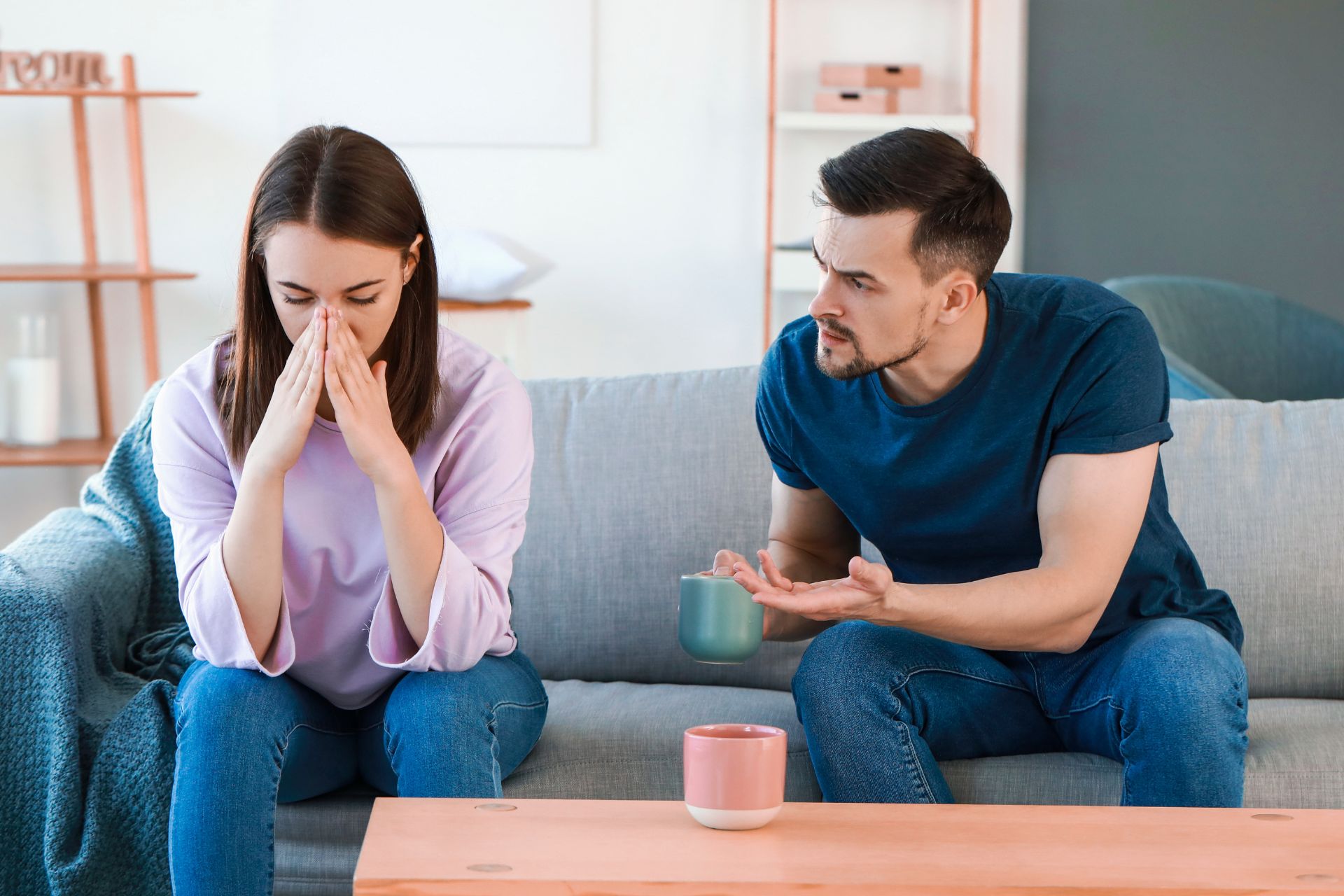
Everything felt so perfect with your partner that they always knew and said whatever you wanted to hear at an opportune moment, and you couldn’t help but agree with them.
But after the honeymoon phase had passed, you both now seem to encounter more disagreements and conflicts as you and your partner begin to develop differing viewpoints.
vi. You Fantasize More About The Past Than The Future:
Because the future doesn’t look how you dreamed about it, you start fantasizing about the past and how things used to be between you and your partner during the honeymoon phase.
While this might not feel great, it is not a sign that your relationship is about to end, but rather an indication that you’re gradually entering into the next phase of the relationship and should make consistent efforts to keep it going.
How Long After A Wedding Can You Have A Honeymoon?
How long after a wedding can you have a honeymoon? There is no right or wrong way to a honeymoon.
While some couples prefer to go on their honeymoon immediately after their wedding or a few days after, some would rather wait a few weeks or before going on their honeymoon.
But both sides have their advantages. This delay can be attributed to various reasons, such as wanting to replenish your finances after the wedding, which might have severely depleted them, more time to save money, or even more time to plan the honeymoon so you and your partner can enjoy it.
Leaving your honeymoon to a later date not only gives you time to replenish your resources but also allows for more flexibility in planning. It also gives you something wonderful to look forward to after the wedding euphoria has settled.
Part of the honeymoon planning process includes deciding where you and your partner want to go, setting a budget, and checking the best time to go—which might not even fall within the period of your wedding. Here are a few factors to consider that determine how long after a wedding you can have your honeymoon.
Vacation Time

One factor influencing how long a couple can have their honeymoon after a wedding is how much time they want to spend on it. This becomes the driving force in deciding which location they would prefer for the vacation.
I remember after our wedding, my partner and I had to wait for some months before we could go on our honeymoon. This was as a result of the fact that we had always wanted to visit the city of Paris due to its rich fashion culture and also see the Effiel Tower.
This meant that we needed to save more money while also waiting for the perfect time when we would have enough time to travel and take in the sights of Paris.
A couple that wants to have a long honeymoon is likely to choose a location farther away from them. This can mean travelling out of their state or even the country to a different region/location.
Meanwhile, a couple intent on a short honeymoon period is likely to prefer their honeymoon to take place in a nearby location.
Budget
After coming off the back of the enormous wedding bill, most couples consider their finances before deciding on their honeymoon. While some might still prefer to go on their honeymoon with limited resources, other couples might hold off on it as it gives them ample time to save up for their dream honeymoon.
For couples on a tight budget, the key is to create memorable experiences without stretching yourself thin financially. Another factor that comes into play is how much you want to spend while away on your honeymoon.
Destination
The destination of your honeymoon and how far you’re willing to travel also determine how long you can have a honeymoon after a wedding. If you see that your budget is tight regarding your likely destination, it becomes more advisable to choose a destination much closer.
Also, you might decide to use your honeymoon phase as the perfect escape to tour the world alongside your partner, meaning that this can last weeks or even months as both of you go from one destination to another.
For couples dreaming of distant locations, it’s essential to consider how much travel time they must take. Longer travel times mean they have to spend a large chunk of their honeymoon in transit, which can become very stressful due to jet lag.
This can also be detrimental to couples who travel for their honeymoon immediately after their wedding, as this is likely to influence their honeymoon phase negatively.
Meanwhile, shorter destinations mean you can take advantage of the minimal travel time and allow yourself to spend more of your honeymoon phase making memories than navigating transit.
Honeymoon Activities
Another factor to consider when it comes to how long after a wedding you can have your honeymoon is the amount and type of activities you’d like to carry out while observing your honeymoon.
This requires that you have a good idea of what you want to do on your honeymoon, as this means you can pick suitable activities to help you achieve your purpose.
This could range from activities such as going wine tasting or stargazing to visiting a museum or having a couples massage.
The most important thing when deciding how long after a wedding you can have your honeymoon is to consider the benefits and considerations of all the options available to see which option best suits you and your partner.
What Comes After The Honeymoon Phase In A Relationship

After the honeymoon phase is over, reality kicks in and things begin to get real. This is often accompanied by a period whereby excitement fades, and you and your partner may start to disagree on things that didn’t bother you before.
This stage is where you start to see each other’s true selves and begin to notice each other’s habits and flaws. When this happens, it is important to accept these differences if you want to build a long-lasting relationship.
Coming out of the honeymoon phase, you’ll feel more comfortable and relaxed, but with that comes less excitement and more ups and downs. As you get more comfortable, you’ll notice you’re showing more of your genuine self and your flaws, as you don’t mind them seeing them.
You also begin to feel less excited about spending every moment with your partner, and this can be quite challenging, especially if you’re used to the excitement of the early days.
This phase is where you truly get to know your partner and decide if the relationship is worth continuing. This doesn’t serve as an indicator of the end of the relationship but rather an opportunity for you and your partner to build deeper connections based on shared values, mutual respect, open and honest communication, and intimacy.
This is where you’ll face new challenges and conflicts. While you and your partner never had to compromise during the honeymoon phase, compromise becomes vital after. The relationship now requires effort and commitment from both sides to grow stronger.
Flexibility, communication, and understanding each other’s needs become essential as you lay the foundation for a long-term partnership.
These attributes will enable you to take courage from the fact that what you’re building now is the foundation of a long-lasting relationship.
Here, you begin to find ways to communicate your wants and needs with your partner, which you may not have had to do previously. You learn to compromise, understand how to support each other best, and grow in communication as a couple.
While this stage of the relationship is often characterized by less romance than the honeymoon phase, you can still keep things interesting and exciting by going out on date nights, indulging in couple-specific activities, flirting, cuddling, or trying out new things together.
Now that you have a fair idea of what happens after the honeymoon phase in a relationship allow me to walk you through some of the next steps.
Disillusionment

This is the stage where both partners are filled with all kinds of insecurities, uncertainties, and reality checks. Everything suddenly starts to look different from what it used to be, and you start to see your partner for who they truly are.
At this stage, one partner starts seeing the other as too bossy, overly possessive, or too emotional, thereby provoking a power struggle between them.
Due to one person’s emotional unavailability, the other partner starts questioning their compatibility as a couple, feels insecure about the foundation of the relationship, and starts doubting the possibilities of any future happiness with each other.
While this may be a difficult phase to navigate, trying to weather the storm and come out stronger is essential. This can be achieved by standing your ground while making space for changes. It involves consciously accepting the differences you just discovered about your partner and respecting your partner’s individuality.
Open communication is also vital and enables both partners to understand each other’s expectations from the relationship. They also need to equally be on board about embarking on the journey to building a healthier relationship.
You may feel the urge to end the relationship at the slightest inconvenience, but it is important to do everything you can to make it through this stage.
Attachment
At this stage, you start experiencing emotional connection and vulnerability, thereby getting to know each other’s authentic selves.
This often comes after the couple has successfully navigated the disillusionment phase. Both partners begin to depend on each other, build trust, and gather unwavering willpower to stick together regardless of the odds.
After the honeymoon phase, you and your partner get to know each other on a deeper level while spending as much time with them as possible. Learning and acknowledging each other’s insecurities, scars, and darkest thoughts is also essential, as this is an important building block for a strong emotional bond.
When problems arise, try to employ a solution-oriented approach to resolving conflicts rather than sweeping them under the carpet.
Stable Partnership
This is when the relationship begins to stabilize, as both partners are now familiar with one another and feel comfortable and secure in each other’s company.
While the relationship has become more stable, it is necessary to keep spending quality time with one another, bringing them flowers, planning surprises, and going on vacations to keep the spark alive. When the relationship is stable, there is a tendency to become complacent. You begin to take each other for granted while some arrogance creeps in.
This makes it important to value your commitment to one another, as without loyalty and transparency, the foundation of the relationship tends to collapse.
Conclusion
Remember, the perfect honeymoon isn’t about how long it lasts but the lasting memories you can create together. Whether it’s a short getaway or an extended trip, it is important to spend it in a way that allows both of you to get the best out of it and enjoy the best of each other.
The essence of a honeymoon lies in quality time—moments where you can unwind, relax, and connect. It’s a chance to savor your relationship away from the demands of everyday life, with a focus on building deeper bonds.
Ultimately, it’s not the duration but the experience that makes a honeymoon unique. It is essential that you take the time to truly disconnect and immerse yourself in the joy of your partner’s company.